
The Rise of Indie Dance in 2026: From Maccabi House to Diynamic
- Melodic Deep
- Mar 14
- 3 min read
A New Wave in Electronic Music
Over the past few years, Indie Dance has slowly moved from being a niche corner of electronic music to one of the most exciting forces shaping the modern club scene.
In 2026, that movement feels stronger than ever.
Somewhere between house, melodic techno, disco, new wave, psychedelic grooves and raw club energy, Indie Dance has become a space where producers can be playful, emotional and unpredictable without losing the power of the dancefloor.
It is not just a genre anymore. It is becoming a language.
Why Indie Dance Feels So Fresh
At a time when many electronic music scenes are becoming increasingly formulaic, Indie Dance offers something different: character.
The drums are groovy, the basslines are bold, the vocals often feel strange or hypnotic, and the overall mood sits between underground tension and feel-good release.
It is music designed for clubs, but also for identity, attitude and storytelling.
The Role of Maccabi House

A huge part of this rise comes from labels and artists who have managed to give the genre a recognizable aesthetic.
Maccabi House, the Tel Aviv-based imprint led by Adam Ten and Mita Gami, has become one of the key references of this new wave.
With its mix of psychedelic textures, funky rhythms, strong vocal hooks and genre-blurring selections, the label has helped define a sound that feels both modern and deeply human.
Adam Ten and the New Indie Dance Identity
Adam Ten, in particular, has become one of the names most closely connected to this Indie Dance explosion.
His music often moves with a rare balance: club-ready but never predictable, melodic but never too polished, groovy but always slightly left-field.
Together with Mita Gami and the extended Maccabi House universe, he represents a generation of artists bringing personality back to the center of electronic music.
Diynamic’s Continued Influence

On the other side, Diynamic continues to play a crucial role in the evolution of the genre.
Founded by Solomun and Adriano Trolio in Hamburg, the label has long been associated with emotional, elegant and forward-thinking club music.
While Diynamic’s history is rooted in house and melodic electronic sounds, its current relevance within the Indie Dance space shows how naturally the genre connects with the label’s DNA: warm grooves, strong musicality and tracks built to create real moments on the dancefloor.
A Reaction to Formulaic Club Music
The interesting thing about Indie Dance in 2026 is that it does not feel like a trend created overnight.
It feels like the natural answer to what many DJs and listeners were missing: more swing, more attitude, more imperfection, more fun.
After years dominated by heavy drops, predictable arrangements and hyper-polished productions, the scene seems ready for music that breathes again.
A Sound That Works Everywhere
That is why Indie Dance is working so well across different contexts.
It fits sunrise sets, intimate clubs, festival stages and after-hours moments.
It can be sexy, dark, colorful, weird or emotional depending on who is playing it. This flexibility is one of its greatest strengths.
Why It Matters for Melodic Deep
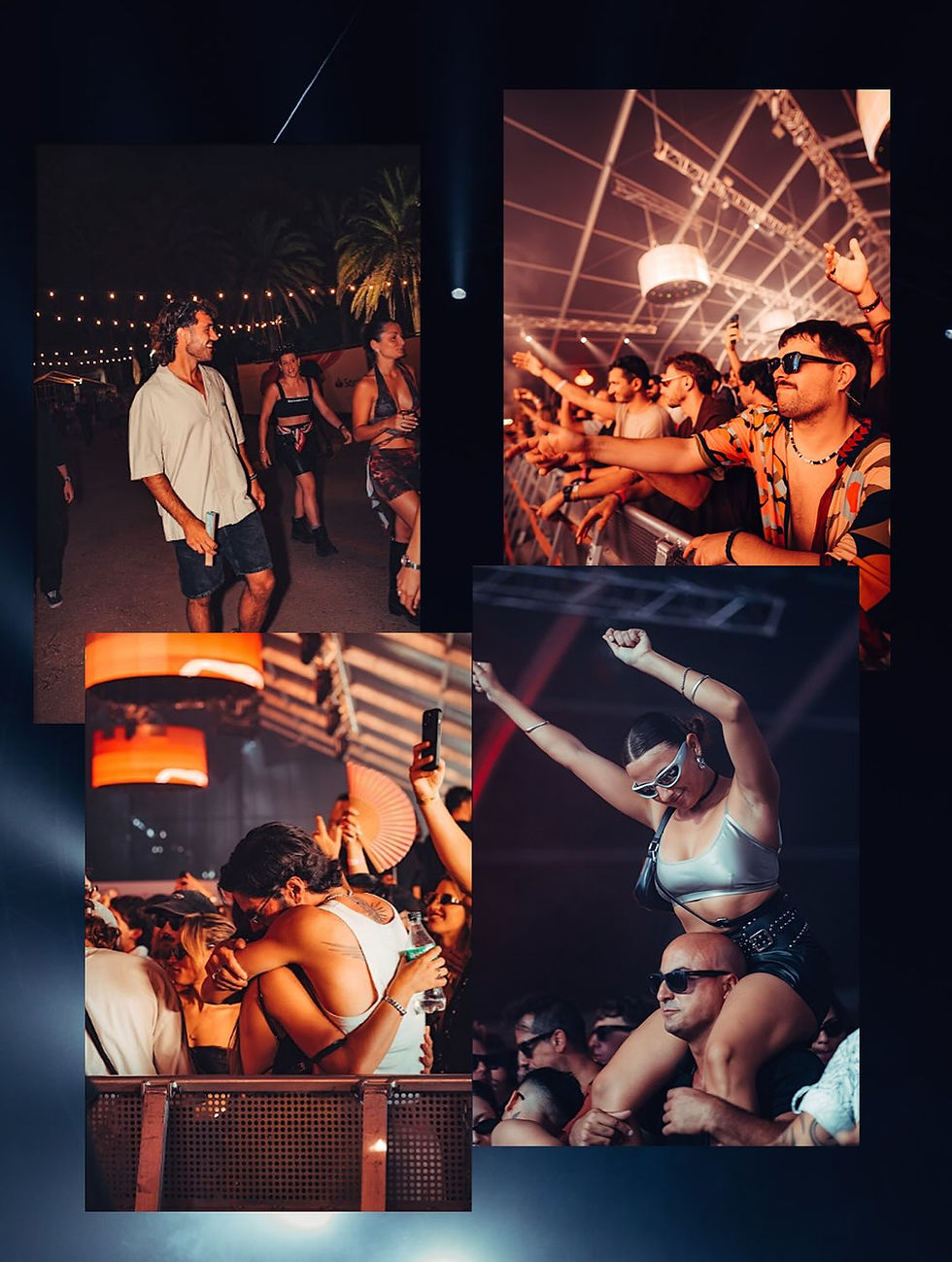
For Melodic Deep, this rise feels particularly important.
Indie Dance sits close to many of the sounds we have always supported: melodic depth, organic movement, underground emotion and forward-thinking club culture.
But it also adds a more rebellious energy, opening the door to artists who are not afraid to mix influences and create something less predictable.
Labels Are Shaping Taste
Labels like Maccabi House and Diynamic are not just releasing tracks.
They are shaping taste.
They are building worlds where groove, identity and curation matter as much as hype.
And in a moment where the electronic music landscape is more saturated than ever, that kind of direction is what allows a sound to stand out.
Not Nostalgia, but Evolution
Indie Dance in 2026 is not about nostalgia, even if it often borrows from disco, post-punk, synth-pop and early club culture.
It is about reinterpreting those influences through a contemporary lens.
It is about making dance music feel alive, stylish and full of personality again.
The Future of Indie Dance
The result is a genre that feels both familiar and fresh.
A bridge between the emotional power of melodic house, the groove of classic club music and the attitude of alternative electronic scenes.
If the current momentum continues, Indie Dance will not simply be one of the sounds of 2026.
It may become one of the defining movements of the next era of underground electronic music.
Because in the end, the dancefloor does not only need power.
It needs character.


Comments